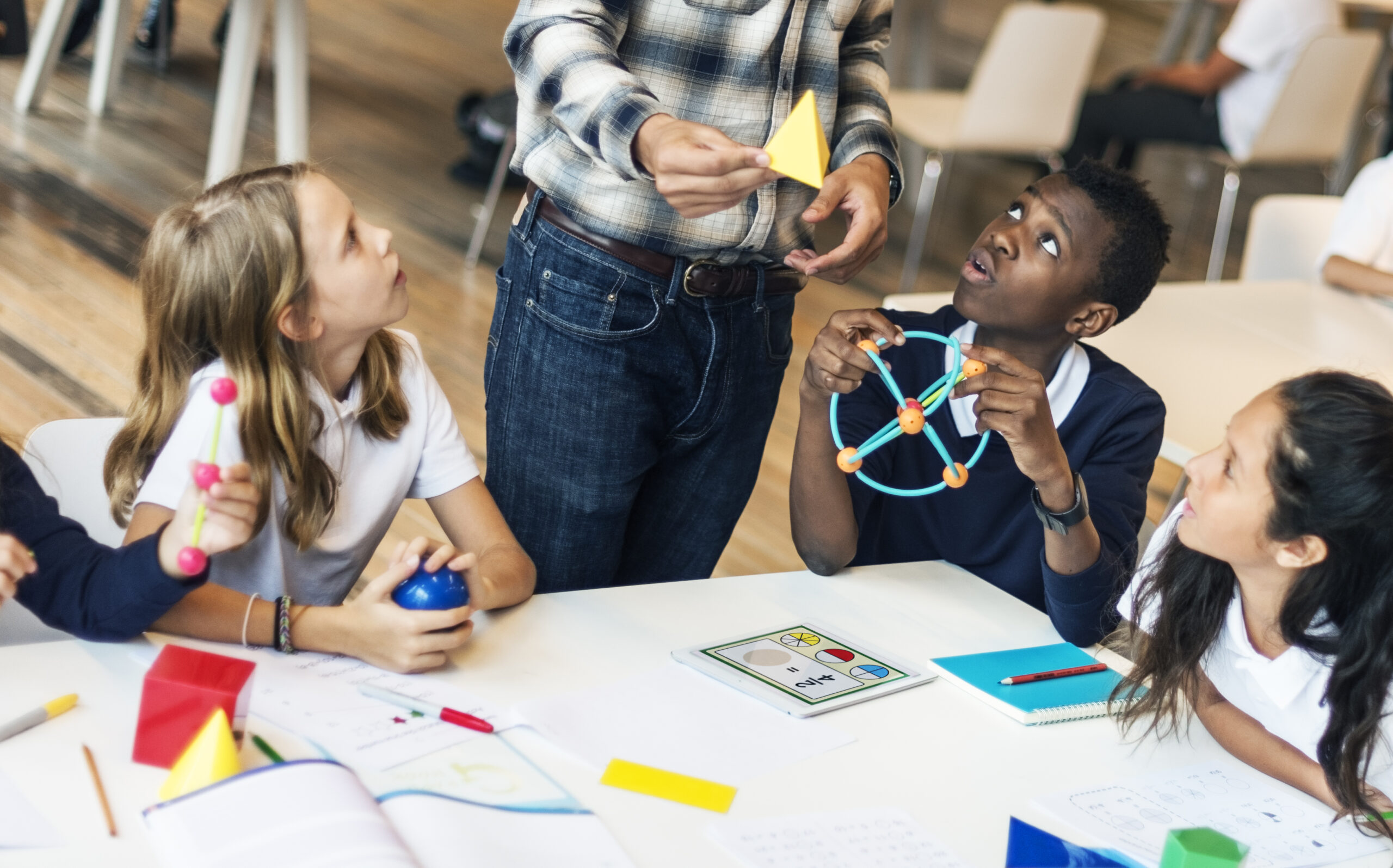
Modern approaches to learning constantly seek ways to make knowledge acquisition more efficient and long-lasting. One such approach is interleaved learning. This strategy involves alternating between different topics or types of tasks during study, rather than focusing on a single topic for an extended period. Applying interleaved learning has been shown to significantly improve comprehension, cognitive flexibility, and the ability to transfer knowledge to new situations.
Understanding the principles of interleaved learning can radically improve learning outcomes for students, educators, and anyone seeking more effective ways to acquire knowledge. It is especially relevant in fields such as mathematics, language learning, and science, where both deep understanding and practical application of knowledge are essential.
The Essence of Interleaved Learning
Interleaved learning differs from traditional block practice, where a learner focuses on one topic or type of task at a time. For example, a student studying algebra traditionally solves dozens of the same type of problems in sequence before moving on to another topic. In the interleaved approach, problems are mixed: the student may solve an algebra problem, then a geometry problem, then return to algebra, and so on.
The core idea is that the brain learns material more effectively when it must switch between different types of information. This process promotes deeper processing of knowledge, builds connections between topics, and develops the ability to transfer skills to new contexts.
From a cognitive perspective, interleaving reduces the “illusion of competence,” which occurs when a student feels confident after repeating similar problems without truly understanding them. When tasks are interleaved, learners must actively retrieve knowledge, strengthening memory and making it more resistant to forgetting.
Examples in Different Disciplines
Mathematics
In mathematics, interleaved learning is particularly valuable for developing problem-solving skills. Instead of studying arithmetic, algebra, and geometry in separate blocks, a student can alternate problems from all areas.
For instance, a student might practice an equation problem, then a geometry area problem, then a percentage problem. This approach requires active recall and analysis of multiple strategies, leading to a deeper understanding than block practice. Research shows that students who use interleaving perform better on novel problems that differ from those practiced, compared to students who study one type of problem at a time.
Language Learning
In language learning, interleaving can involve alternating grammar exercises, vocabulary practice, reading, and listening tasks. For example, a learner may study new words, then complete exercises on verb tenses, read a short passage, and then listen to audio content. This helps the brain create links between vocabulary, grammar, and context, improving flexible language use in real communication.
Interleaving is also useful when learning multiple languages simultaneously. Switching between tasks in different languages promotes comparative thinking and prevents knowledge from blending together.
Science
In the natural sciences, interleaved learning helps integrate theory and practice. In biology, a student might alternate between classification exercises, analyzing ecosystem graphs, and conducting chemical experiments. In physics, tasks could switch between kinematics, forces, work calculations, and experimental measurements.
This approach allows learners to see connections between different concepts, promoting systems thinking. Moreover, interleaving enhances the ability to critically evaluate information, which is essential for developing scientific reasoning skills.
Why Interleaved Learning Works
The effectiveness of interleaved learning can be explained through several psychological and cognitive mechanisms:
- Active Retrieval — Switching between tasks forces the brain to repeatedly recall rules and strategies, strengthening long-term memory.
- Comparison and Generalization — Alternating tasks helps identify similarities and differences between concepts, fostering a more flexible cognitive framework.
- Reduced Automatism — Repetitive block practice may create a false sense of competence; interleaving encourages active thinking and decision-making.
- Transfer of Skills — Knowledge becomes more adaptable: skills learned in one context are more easily applied in another.
Educational research consistently shows that students who engage in interleaved practice perform better on tests requiring analysis and synthesis than students using block practice. This effect is particularly pronounced in mathematics and sciences, where understanding how to apply concepts in new situations is critical.
Practical Tips for Implementation
To make interleaved learning effective, it is important to follow several principles:
- Alternate without overloading — Avoid switching between completely unrelated subjects in a single session. Start by alternating tasks within a single domain before mixing broader disciplines.
- Plan the order — The sequence of tasks affects learning. Begin with simpler tasks and gradually increase difficulty while maintaining alternation.
- Use spaced repetition — Interleaving works best when reinforced over time with intervals between practice sessions.
- Stay mindful — Interleaving is effective only when learners are actively engaged; passive task completion does not provide the same benefits.
- Incorporate varied formats — For languages, include listening, speaking, reading, and writing. For sciences, combine theory, problem-solving, and experiments.
Even minor adjustments in study routines to include interleaving can noticeably improve knowledge retention and the ability to apply learning in new contexts.
What to Remember
- Interleaved learning involves alternating topics or types of tasks to enhance understanding.
- It strengthens long-term memory, critical thinking, and the ability to transfer knowledge to new situations.
- Applicable across all disciplines: mathematics, languages, science, and interdisciplinary learning.
- Success relies on active engagement, thoughtful planning, and gradually increasing task complexity.
Conclusion
Interleaved learning is a powerful tool for students and educators, making learning more efficient and adaptable. Alternating tasks and topics engages cognitive processes, strengthens memory, and improves the ability to apply knowledge in novel contexts. Even small changes in study design can yield significant improvements in learning outcomes.



 February 21, 2026
 views
views